
*Instant digital download. After purchase, you will receive access via the confirmation page and email.
( 1 Ebook : 2 Files Pdf And Epub • 151 Pages )
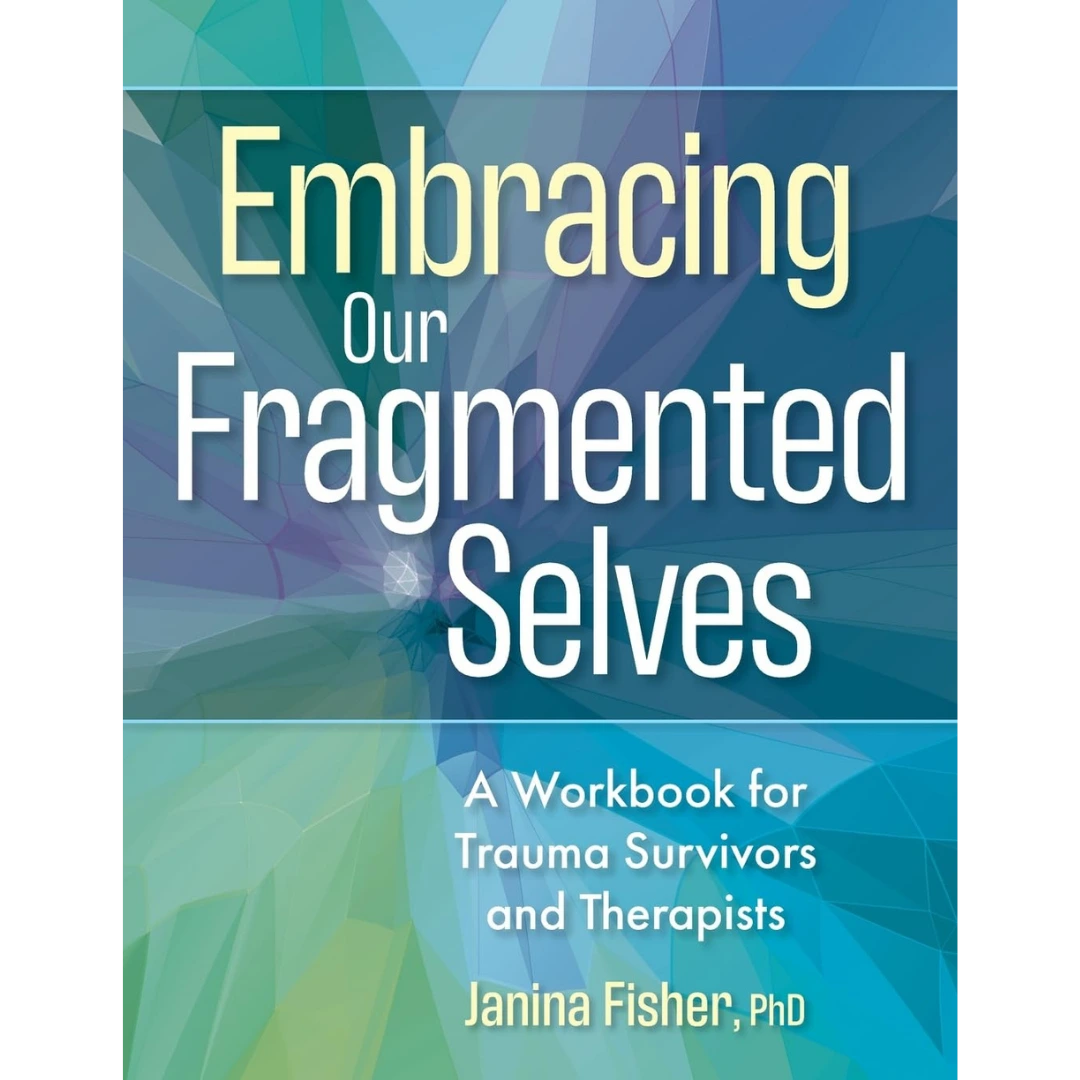
“Trauma fragments the self, leaving behind parts of us that carry fear, rage, shame, hopelessness, and despair. In Embracing Our Fragmented Selves, internationally renowned trauma therapist Dr. Janina Fisher offers a clear and compassionate approach to working with these parts and restoring a sense of inner harmony.
Grounded in structural dissociation theory, parts work, and sensorimotor psychotherapy, this workbook teaches trauma survivors to:
- Understand their symptoms as expressions of different parts
- Notice, unblend from, and befriend traumatized parts
- Recognize self-destructive behaviors as the behavior of protector parts
- Offer reparative experiences to wounded young parts
Whether you’re a trauma survivor or therapist, this book serves as a reminder that every part of us, no matter how wounded or extreme, is deserving of care. Healing begins when we meet those parts with support, appreciation, and acceptance.”




Julia Marie Wedemeyer (verified owner) –
Embracing Our Fragmented Selves, by Janina Fisher, Ph.D., one of the leading expert voices internationally in trauma and trauma recovery, is a thoughtfully constructed workbook that translates complex trauma theory into language and practices that are accessible, humane, and deeply validating. Grounded in structural dissociation theory, parts work, and sensorimotor psychotherapy, the material helps readers understand trauma symptoms as meaningful responses rather than flaws or failures.
The workbook guides readers step by step in noticing, unblending from, and relating differently to traumatized and protective parts. What stands out is the steady, non-judgmental tone throughout. Fear, shame, rage, hopelessness, and self-destructive behaviors are framed as understandable survival strategies, which reduces self-blame and supports safer engagement with difficult internal experiences.
The exercises are clearly explained, well-paced, and easy to use, both independently and in therapeutic work with clients. Concepts are presented succinctly without oversimplifying, making the workbook approachable even when emotional capacity is limited. It functions both as a learning tool and as a practical companion for ongoing trauma recovery.
This book reflects more than three decades of Dr. Janina Fisher’s clinical and teaching experience and encapsulates her approach (TIST) in a way that feels coherent, respectful, and usable. It is equally valuable for trauma survivors seeking to understand themselves as it is for therapists looking for a structured, ethically grounded resource to support parts-based work.
Highly recommended for anyone interested in trauma-informed, compassionate, and clinically sound approaches to healing fragmented selves.
Julia M. Wedemeyer, MA, LPC (OH), NCC, CTP, ISTT
Owner & Private Practice Provider ~ InnerVision Resources, LLC
JanieB (verified owner) –
Since Fisher’s work comes from the perspective that understanding and insight are the starting places to empower healing trauma, her work to put information and knowledge in the hands of childhood and other trauma survivors is an act of compassion and caring practice.
The preceding review from JM Wedemeyer wonderfully expresses all the ways in which this is true. Janina Fisher’s commitment and practice open new paths of healing, wholeness, and well-being for all survivors and have changed my life.
Daniel Shaw (verified owner) –
The perfect book to recommend to my psychotherapy clients. Clients often ask, “can you give me some tools?” Here they are – this is the book that clearly describes the “tools’ clients need, what they’re for and how to use them. I consider Fisher’s longer book, Treating the Fragmented Selves…, a must for clinicians, and I recommend it to all my students. But for clients, this workbook, condensed and focused, is ideal. Briefly summarizing the essential components of Fisher’s TIST model, this book focuses on helping clients understand what it means to form empathetic ties to vulnerable parts of the self as well as to self-negating parts. The most essential, but most challenging part of Fisher’s model is helping clients find self-compassion for all the parts of the self. Clearly explaining how this is done, with illustrative clinical vignettes and practical workbook assignments, Fisher’s book is designed to help clients transform trauma, and develop their innate capacities for healing and stability, with reliable, enduring results.